
yourself express
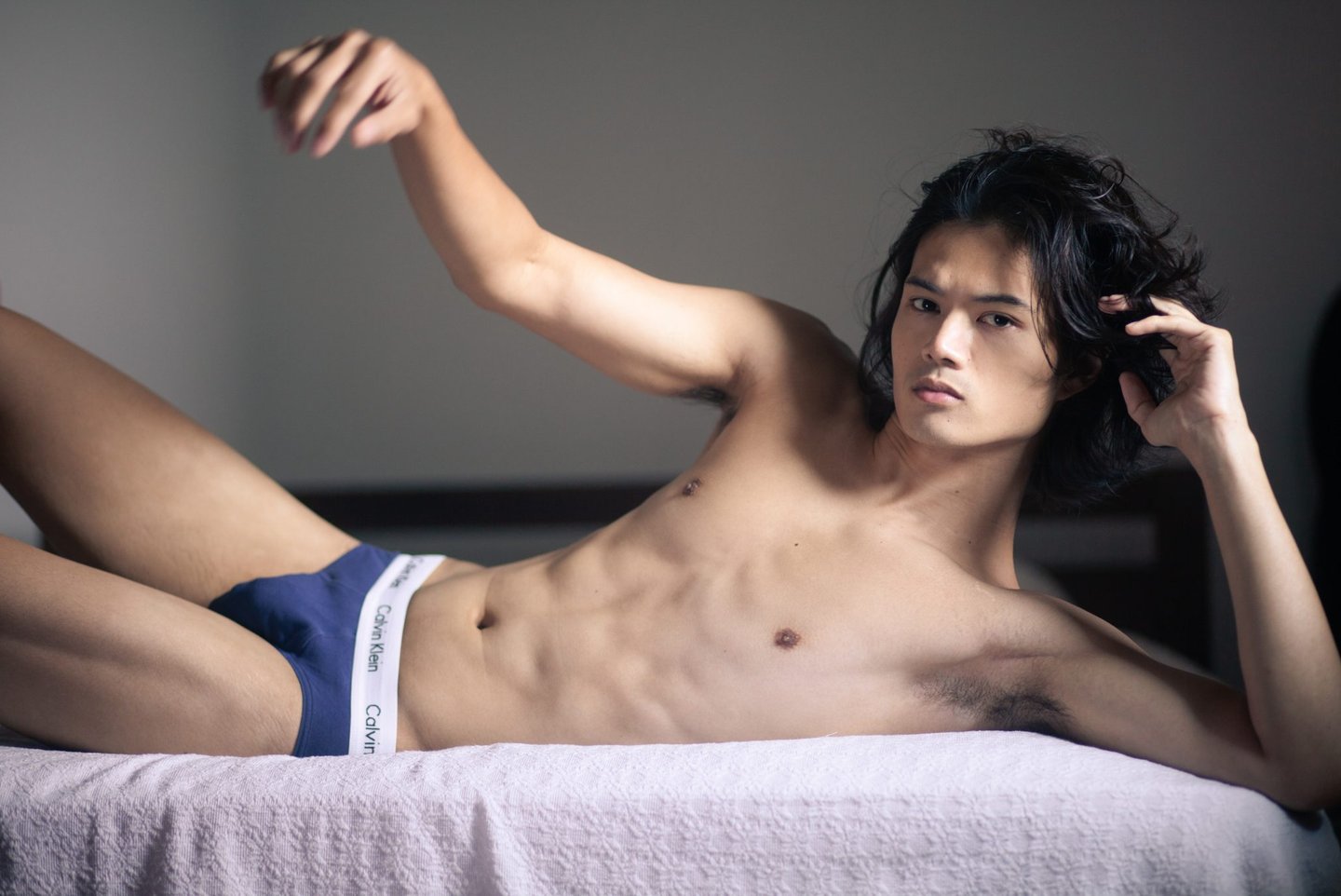
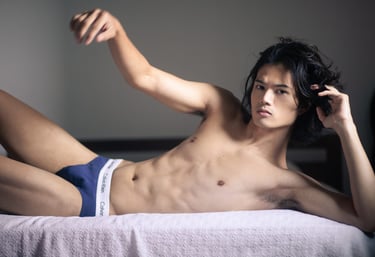
franz gets out of bed, and into your head
The Hustle Behind the Halo: An Interview with Franz
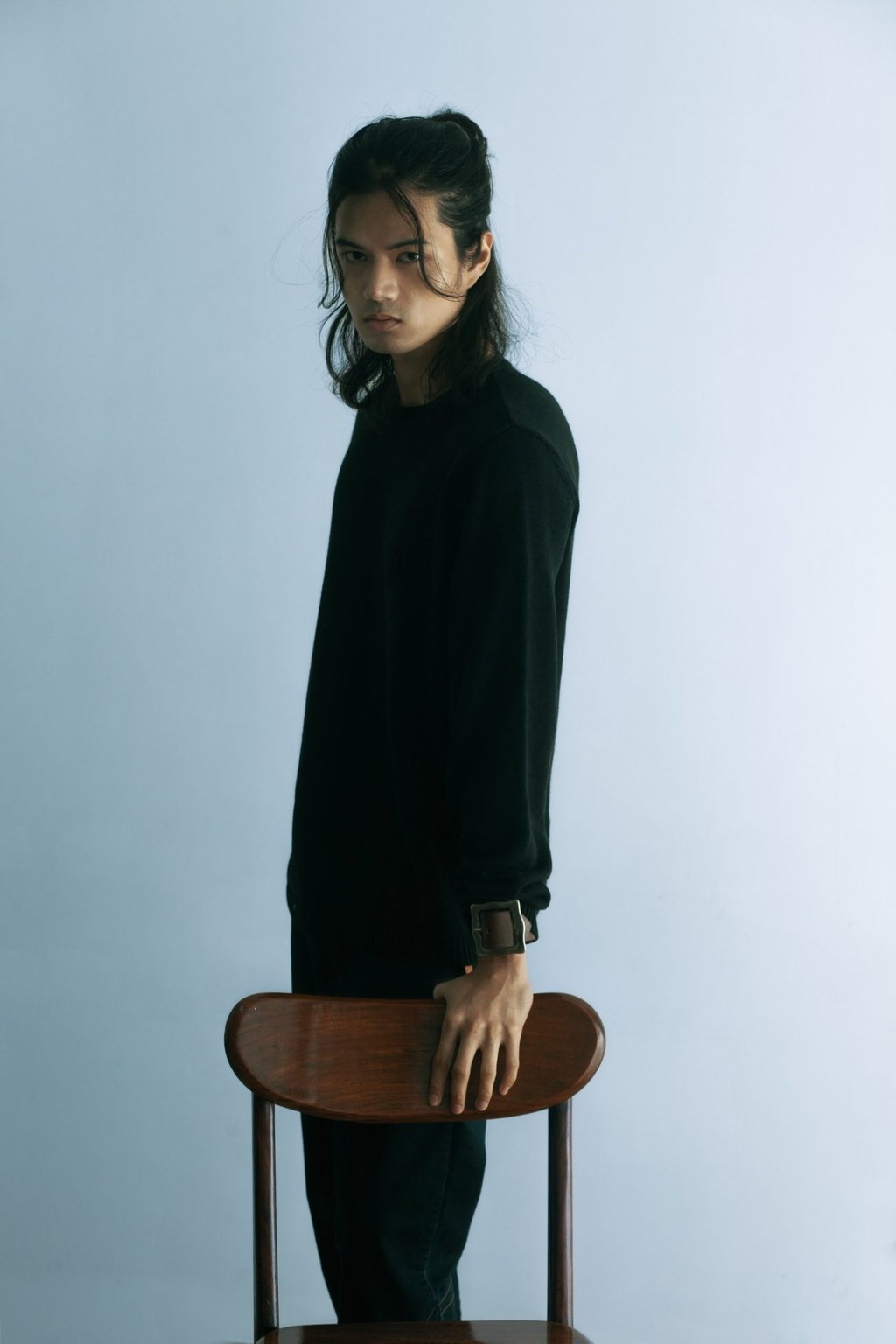
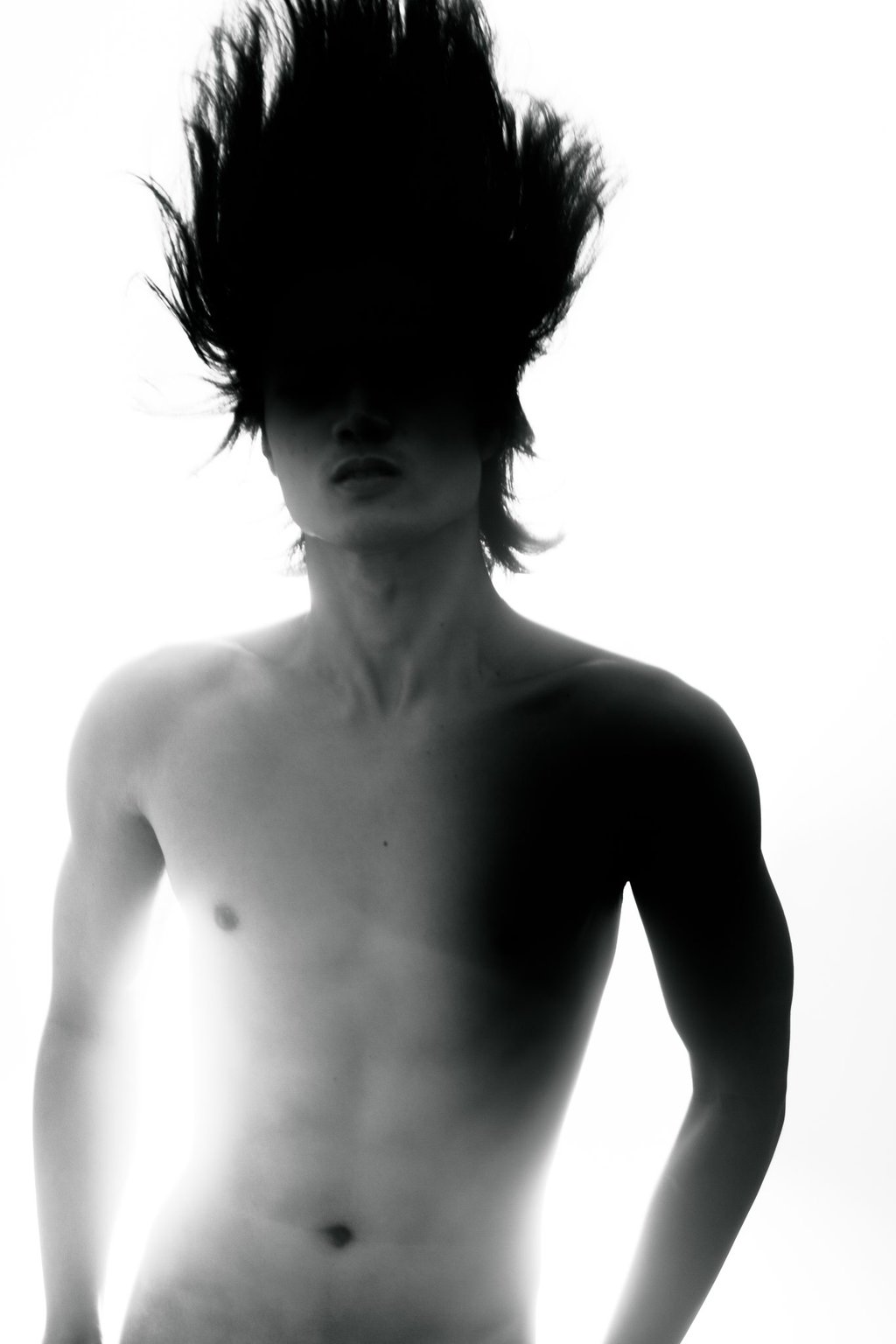
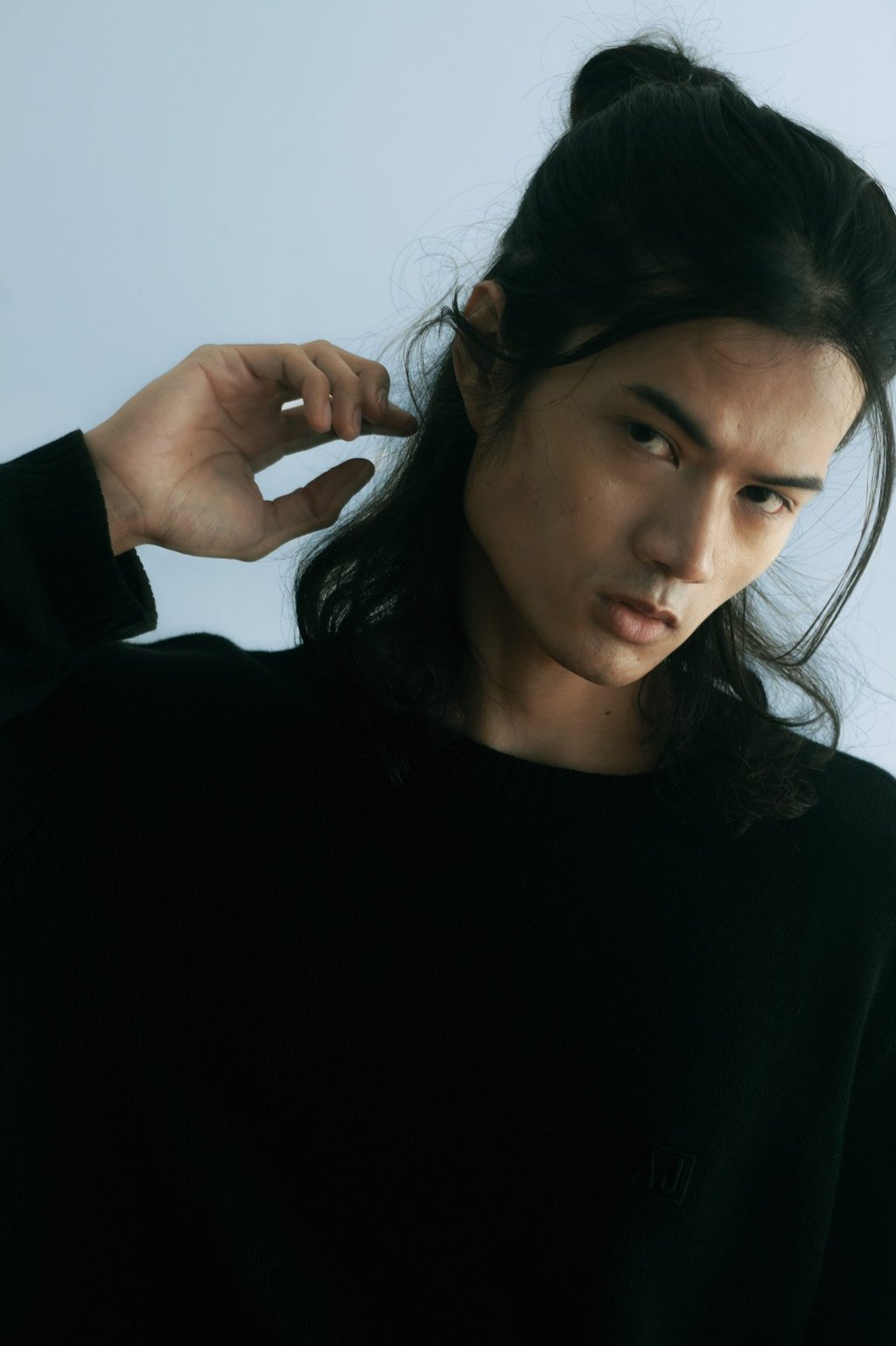
RIKIVI: We’re sitting down today with Franz, a face you’ve likely seen everywhere lately—from the high-fashion spreads of Vogue Philippines to the snack aisle at your local sari-sari store. Franz, you’re 30 now, and you’ve reached a level of stability many models dream of. But the word on the street is that you didn’t exactly walk into this with a silver spoon or a talent scout’s business card in your pocket.
Franz: (Laughs) Man, "silver spoon" couldn't be further from the truth. I grew up in La Union—long before it was the "cool" surf spot it is today. When I decided I wanted to model, I had exactly zero pesos in my bank account dedicated to a career. I had the height, and I had a face that people said was "interesting," but I didn’t have a portfolio, an agent, or even a nice pair of boots.
RIKIVI: So, how does a guy from LU with no money decide to break into one of the most expensive, aesthetic-driven industries in the world?
Franz: Gumption. That’s really the only word for it. I realized early on that if I waited until I had the money to pay for a professional "model set" or a workshop, I’d be 50 before I took my first photo. I had to treat it like a grassroots campaign. I spent hours at internet cafes—this was back when data wasn't as easy to come by—researching photographers in Manila whose style I liked.
RIKIVI: You just started cold-calling them?
Franz: Not calling, but "sliding into the DMs" before that was even a phrase. I’d send these very polite, very earnest messages on Facebook and Instagram. I’d say, "Hey, I’m Franz. I’m from La Union. I don’t have a portfolio, but I’m willing to commute to Manila, I’ll bring my own basic clothes, and I’ll work harder than anyone else if you’re willing to do a TFP (Trade for Print) shoot with me."
RIKIVI: Did you get a lot of "no’s"?
Franz: Oh, hundreds. Or worse, just "seen" and ignored. But I only needed a few "yes’s." I remember the first photographer who agreed. I took a midnight bus from San Juan to Pasay, arrived at 5:00 AM, washed my face in a mall restroom, and walked to his studio. I looked exhausted, but he liked that "raw" look. Those first test shots were everything. They were my currency.
RIKIVI: It sounds incredibly gritty. Most people see the final image—the perfect lighting, the expensive clothes—and they don't see the five-hour bus ride or the mall restroom "prep."
Franz: Exactly. And because I had no money, I had to be my own stylist. I’d go to ukay-ukay (thrift shops) in LU and find white tees or old denim that looked timeless. I didn’t want to look like I was trying too hard; I wanted to look like a blank canvas. That’s what photographers want to see in a test shot—how you move and how the light hits your bones.
The Turning Point: From "Test" to "Triumph"
RIKIVI: At what point did the "test shots" turn into actual paying jobs?
Franz: It was a slow burn. After about a year of doing those TFP shoots, I had a decent enough portfolio to start approaching boutique fashion brands. I wasn’t getting the big luxury houses yet. I was doing local streetwear brands—the kind that pay you in clothes and maybe a couple of thousand pesos. But then, I booked a campaign for a major local retail giant. That was the game-changer.
RIKIVI: What was that feeling like? Getting that first "big" check?
Franz: It felt like oxygen. For the first time, I wasn't wondering if I could afford the bus ticket back home. But honestly, the real thrill was seeing my face on a billboard along EDSA. I remember standing on the sidewalk, looking up at myself, and thinking, "I got here because I asked. I got here because I wasn't too proud to be rejected."
RIKIVI: You’ve since branched out. You’re not just a "fashion" model anymore. We see you in commercials for chips, sodas, and even skincare. How do you navigate the jump between "High Fashion Franz" and "Guy-Next-Door Franz"?
Franz: You have to lose the ego. High fashion is about an aura—it’s about being aspirational and a bit distant. But consumer brands—the snacks and personal care stuff—that’s about relatability. They want to see a guy they’d want to grab a beer with or a guy who actually looks like he enjoys the soap he’s using. Being 30 helps. I have more "life" in my face now than I did at 20. There’s a story there.
Staying Grounded
RIKIVI: Does the 30-year-old Franz still have that same "gumption" as the kid from LU?
Franz: I think I have more of it now, but it’s more directed. Back then, I was just throwing darts at a board. Now, I’m more intentional. I know my worth, but I never forget the "mall restroom" days. That’s why I still make an effort to work with young, up-and-coming photographers. If I see a kid with that same hunger I had, I’ll do a shoot with them for free. You have to pay it back.
RIKIVI: What’s your advice for someone sitting in a small town right now, looking at your career and thinking, "I want that, but I have nothing"?
Franz: Don’t wait for an invitation. The industry doesn’t owe you a chair at the table; you have to bring your own folding chair. Use what you have. If you have a phone with a decent camera, take "digitals" against a plain wall. Be polite, be professional, and don’t let a "no" bruise your soul. Most importantly, don’t try to look rich before you are. Authenticity and a crazy work ethic are much more attractive to a professional than a fake designer belt.
RIKIVI: Franz, it’s been a pleasure. From the waves of La Union to the billboards of Manila—it’s been quite a ride.
Franz: Thanks for having me. And hey, if anyone needs a guy to sell some potato chips, you know who to call! (Laughs)